Come slowly Eden.
Lips unused to thee – bashful sip thy Jasmine’s as the loving bee.
Reaching late her flower, round her chamber hums, counts her nectar –
Enters and is lost in Balms.
Enjoy

Come slowly Eden.
Lips unused to thee – bashful sip thy Jasmine’s as the loving bee.
Reaching late her flower, round her chamber hums, counts her nectar –
Enters and is lost in Balms.
Enjoy
There is a legal requirement for all apiaries whether small or large to be registered with Assure Quality. Register or be fined.
This requirement was bought into force to help control the spread of American Foul Brood – a highly contagious disease of the brood. Don’t be guilty of being the beekeeper who has not registered your apiary and have your hive contract and spread AFB to surrounding apiaries. Be a good beekeeper and a good neighbour. 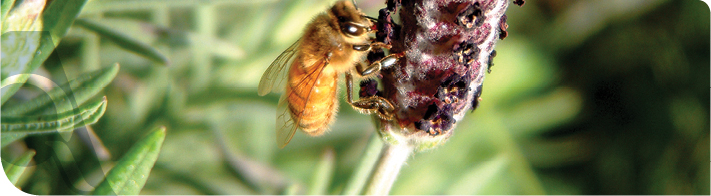
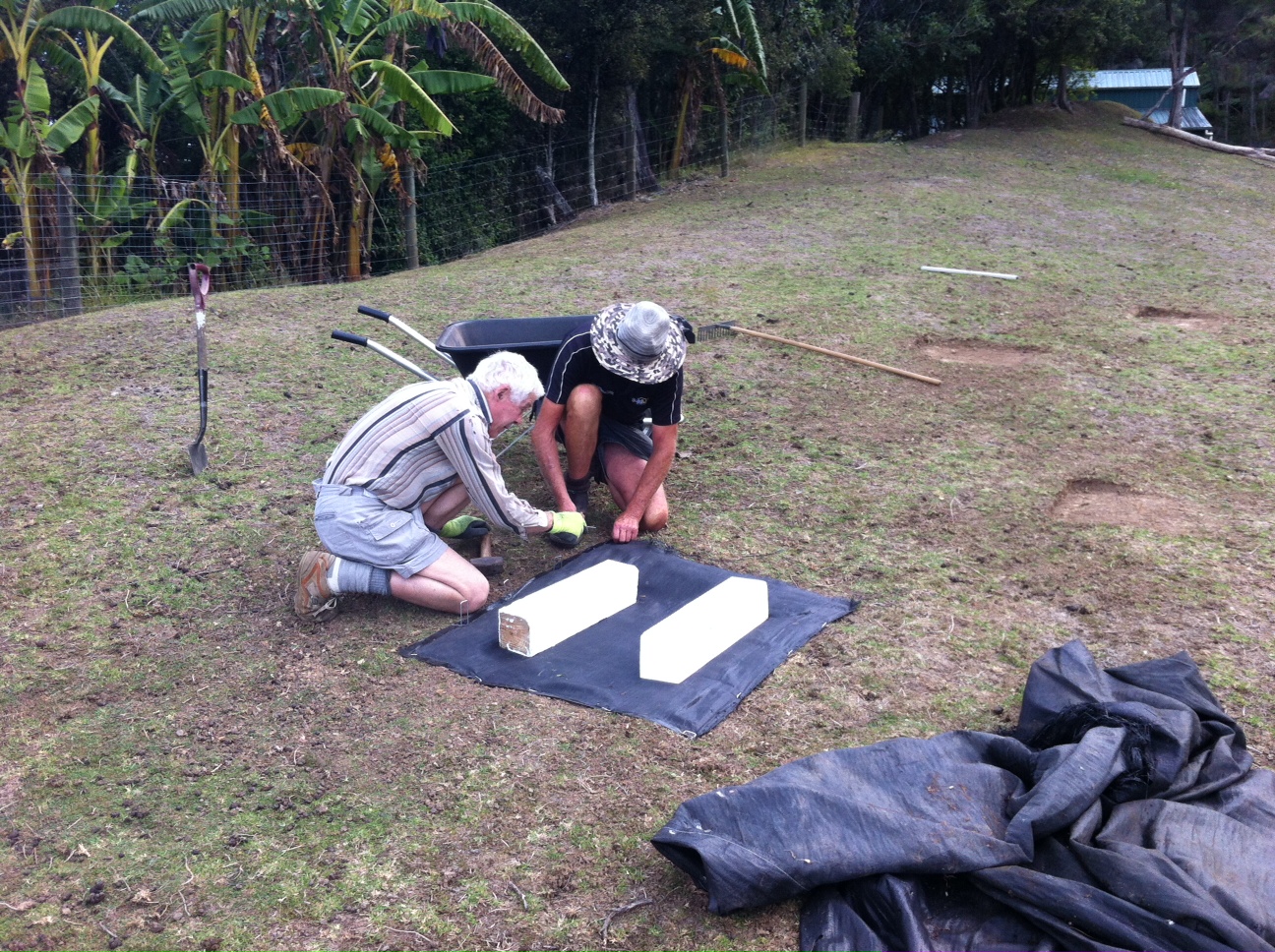
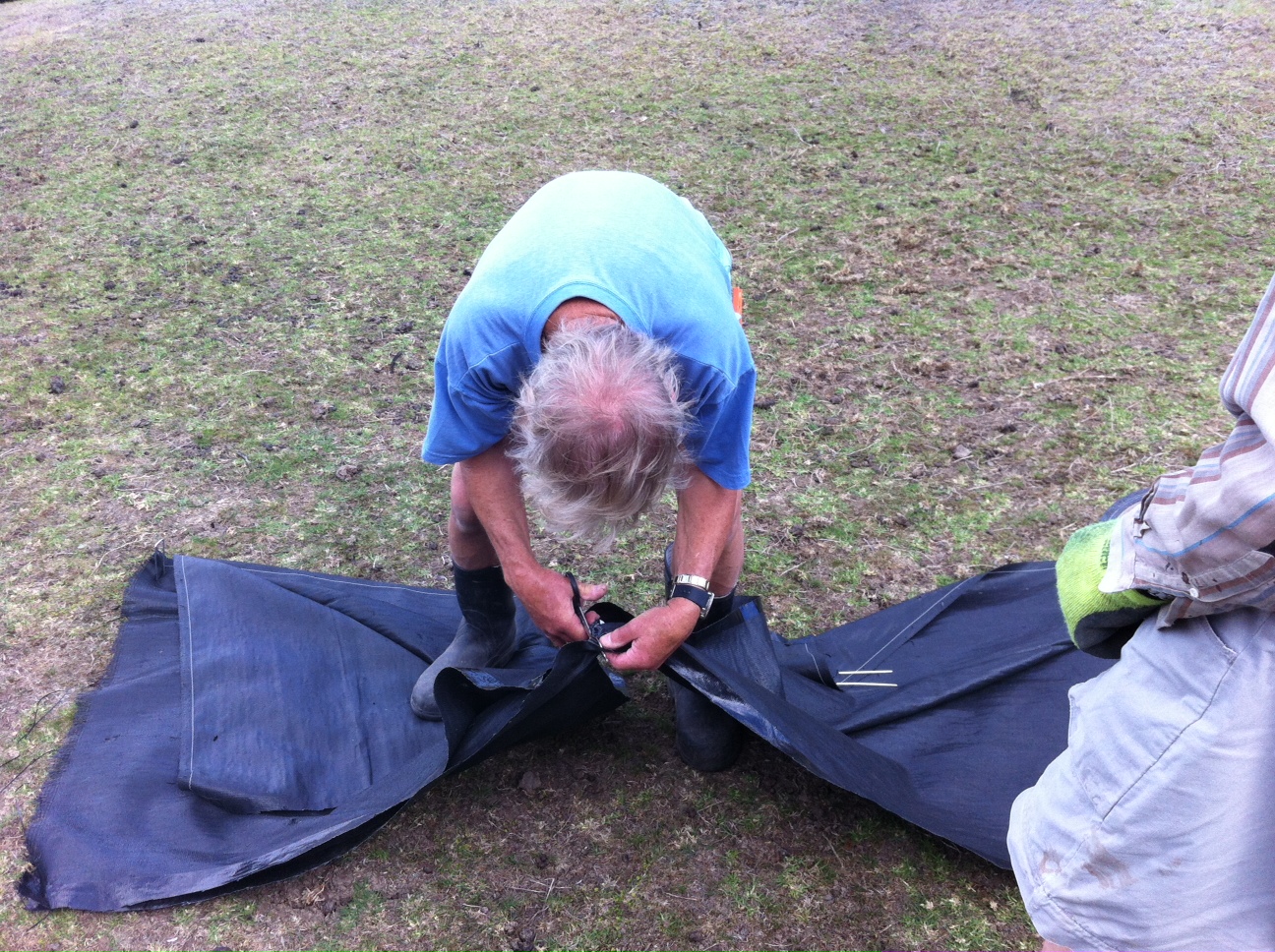
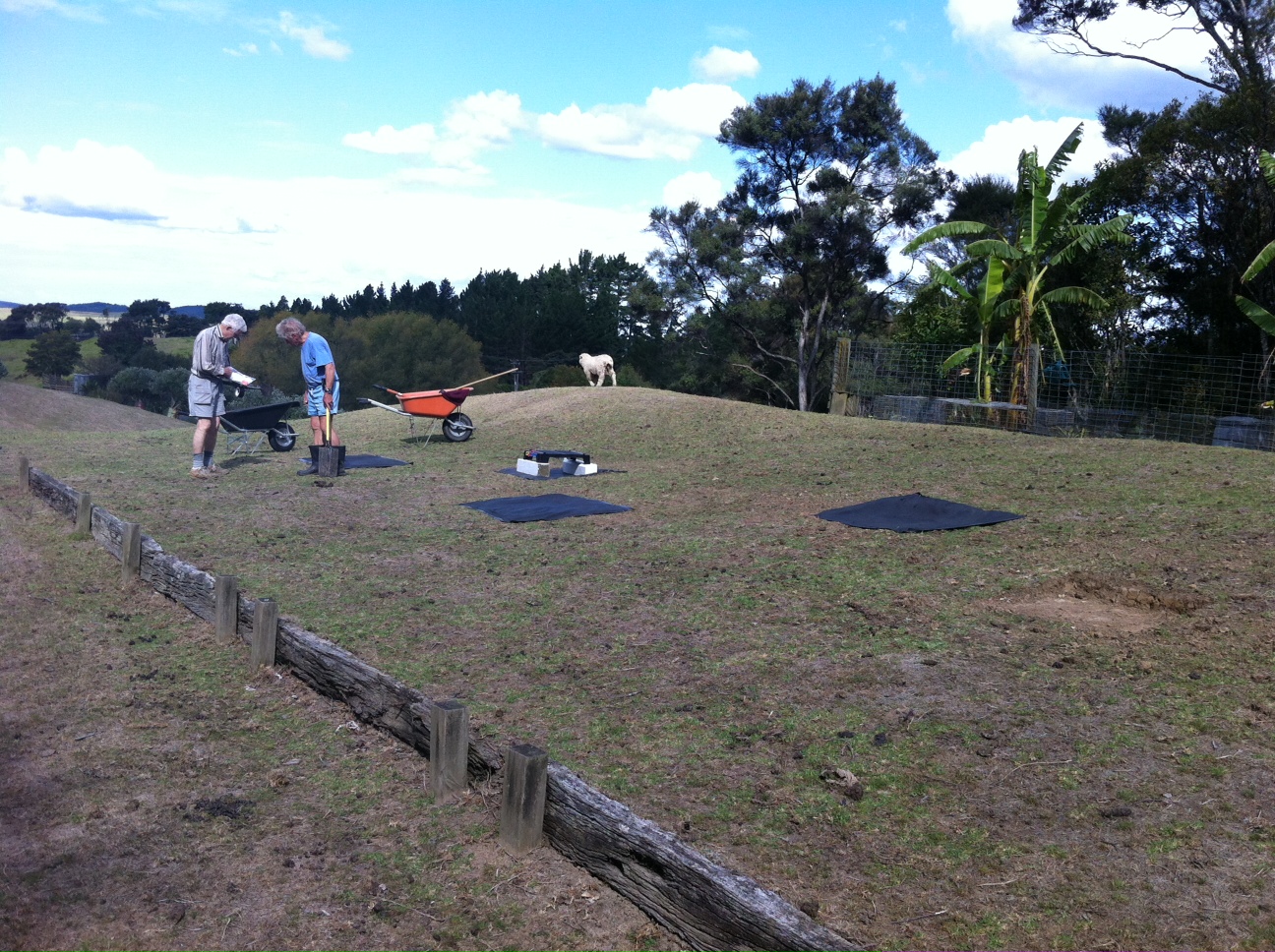
Love’s Labour is not lost and this was clearly shown today when four members of the RBC spent about 1 1/2 hours preparing sites for 4 hives and two nucs. The hive locations were dug out and covered with weed cloth to assist in keeping weeds away from the hive entrance. The club is considering using a new design of base board from the Hive Doctor – who kindly donated one to the club – this will be shown to members at the next meeting and we suggest that members may wish to purchase same.
If so we could place a bulk order and receive the best possible price. The apiary has easy car access and good facilities for a social time after the field day activities. See pictures of apiary preparation – with Peter McNab, Bruce Burgess, Noel Smith and Claude Bee.
Not to forget the lovely coffee and biscuits provided by Jo Bee ( Burgess ).
All’s well that ends well.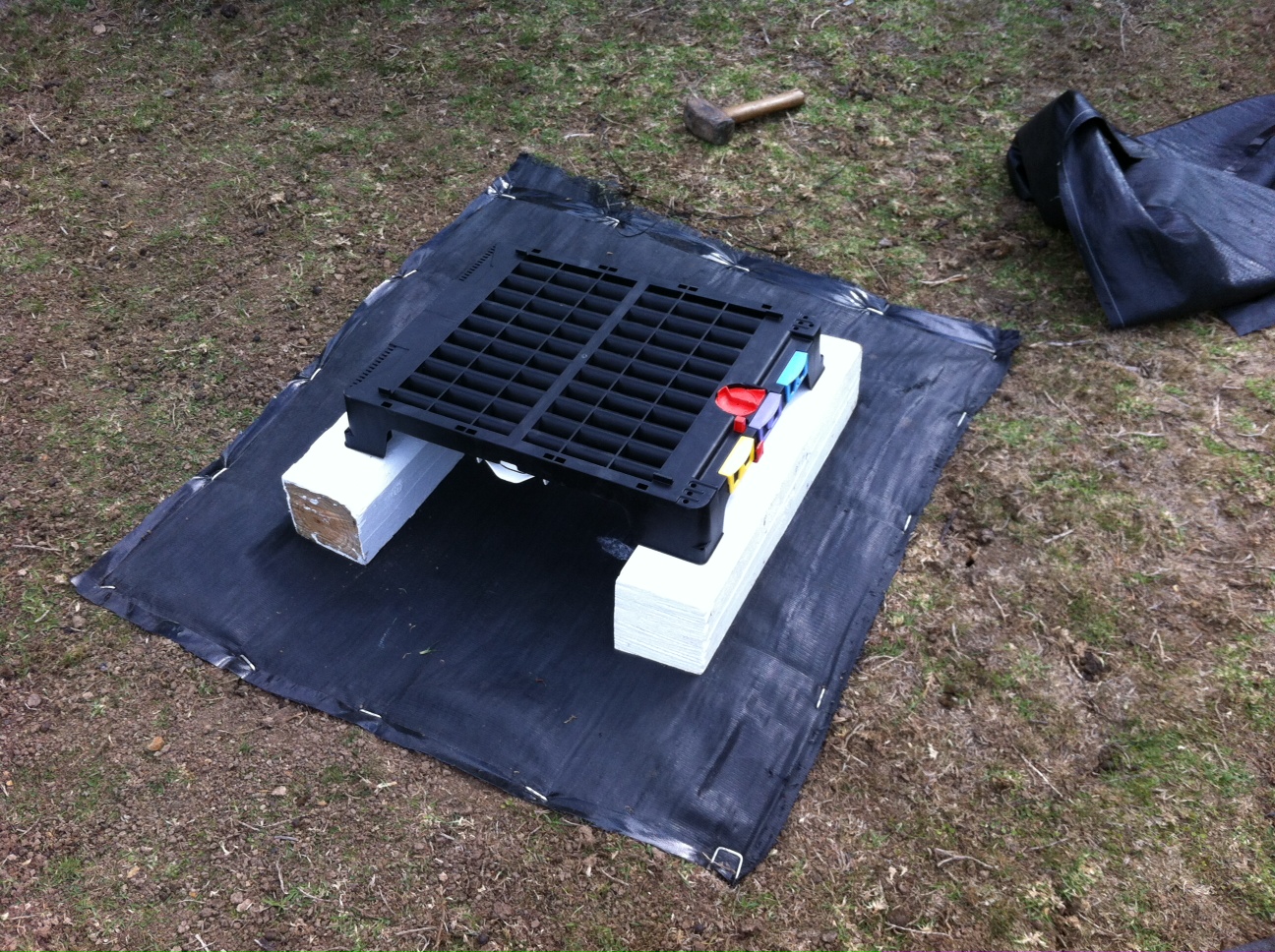

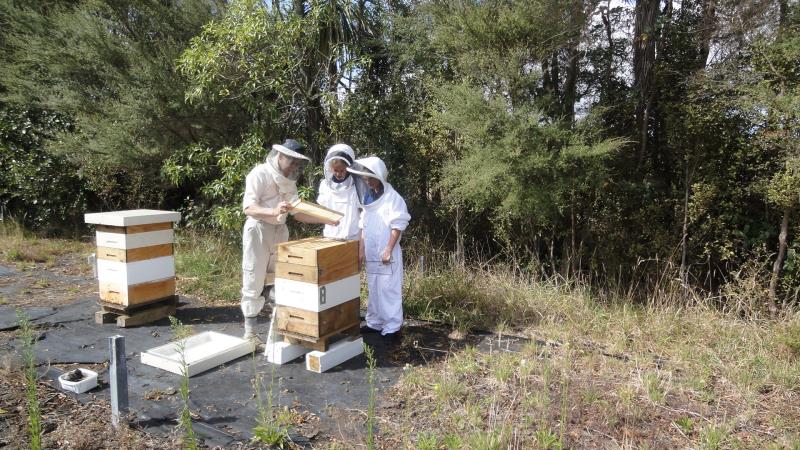
Claude and girls observing a frame of bees
Two pupils from Helensville Primary School – Devon and Danielle, aged 11 and 12 respectively spent a few hours looking at the internal workings of a beehive. We were able to see capped and uncapped brood, observe worker bees at work and drones scurrying around the hive.
The girls both picked up a drone, and ran their fingers gently over the worker bees. We were able to see a newly hatched queen cell in one hive. All great fun and a new adventure for the girls, helping them to have a start on their way to respecting and understanding Apis Mellifera – The Honey Bee. See pictures


I am hoping that RBC can guide new beekeepers along the mysterious road of preparing a hive for re-queening and introducing a new young vigorous queen. Perhaps this could be covered as part of a club meeting, and then at an appropriate time, demonstrate how this operation is carried out.
Well the following organisations are well recognised and can supply high quality queens at a reasonable price.
Daykel Apiaries, Paranui R.D. 3, Kaitaia – Ph: 09.408.5895 – e mail: daykel@xtra.co.nz – Web site is available for viewing and is full of very interesting data about Davis Yanke and his queen breeding program. Take a look and enjoy.
Daykel Apiaries Website
Another excellent source of young queens is –
Paul Jeffery – Paul’s e mail is – mountainbeech@slingshot.co.nz
Many years ago I purchased on old badly dilapidated book first published in May 1901.
The style is, by today’s standards, archaic – but the book contains some fundamentals about
The Bee which are worthy of repetition and so the article under may give new beekeepers some
Interesting historical data and perhaps serve to update the knowledge of the more experienced among us.
The Life of the Bee – by Maurice Maeterlinck
The Bibliography of the Bee is very extensive.
From the beginning, this strange little creature, that lives in a society under complicated laws, and executes prodigious labours in darkness, has attracted the notice of men.
From Aristotle to present day the bee has been studied and loved.
I suggest that the real history of the bee begins in the 17th. century with the discoveries of the Dutch Savant Swammerdam, and the Flemish naturalist Clutius, who was a little prior to Swammerdam.
Both of these men arrived at certain important truths such as – the Maternity of the principal bee – hither to looked upon as a King . This discovery – by dissection and scientific observation – threw the whole political scheme of the hive into most unexpected light by basing it upon Maternity.
In 1750 in Geneva – Huber was born – and fell blind in his early youth.
Interested in earlier research about bees he sort to verify this early research, and became passionately absorbed in these activities and eventually, with the assistance of Francis Burnens, devoted his entire life to the study of bees – all the more remarkable when one considers that he never saw, with his own eyes a comb of honey – his “New Observations on Bees” published in 1789 in the form of letters to Charles Bonnet, has remained an unfailing abundant treasurehouse into which subsequent writers have dipped – and whilst in the course of time – a few errors or incomplete statements may be found – there is not one of his principal statements that have been disproved.
Some years of silence followed Huber’s revelations, but then a German clergyman Dzierzon contrived the first hive with moveable combs thereby enabling the beekeeper henceforth to take his share of the harvest of Natures Nectar without being forced to destroy his best colonies – and in one instance annihilate the work of a whole year.
This hive – still very imperfect – received a masterly redevelopment at the hands of Langstroth – who invented the moveable frame – this frame has been adopted world wide with extraordinary success.
It then occurred to Mehring that if the bees were supplied with artificial wax foundation they would be spared the labour of fashioning the wax and constructing the cells which cost them much time and energy, and a greatly reduced harvest of their stores of honey. It was found that the bees readily accepted this foundation and adapted it to their requirements.
Today’s beekeepers – have much to thank these early lovers of the bee for the system of moveable frames and wax foundation and the understanding of the political structure of the bee colony.
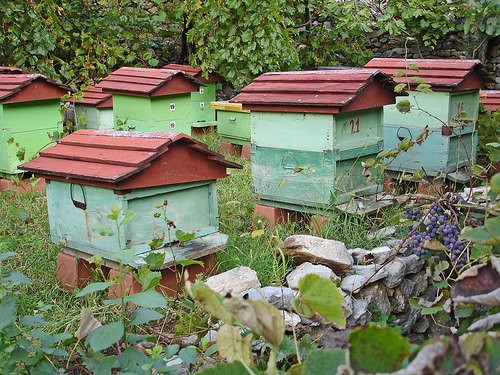
photo credit: net_efekt via photopin cc
Hi,
We have managed to locate a venue for monthly meetings at the old Paraki Tavern building next to the hot pools at Paraki
meeting time 7 PM. At the next meeting Brian Alexander will speak about wintering down your precious hives.
Next meeting 12 March 2014 7pm.
Dates for coming months 9 April – 14 May – please note your diaries.
Come prepared with lots of questions for Brian.
We have been offered an Apiary Site on the property of Bruce and Jo Burgess at 1333 Old North Road – a really good site for an apiary – back off the road – excellent facilities – suitable area for a sausage sizzle with your families after our field days. One criteria from Bruce and Jo – NO ALCOHOL.
We will need to have a working bee to prepare sites for the hives and will discuss this at the March meeting. Cost for the night suggested at $2 per head to pay the rent and cover costs of tea, coffee, etc.
Look forward to seeing you all.
Claude
 Rodney Beekeepers Club